One of the most common VAWA questions is whether the case is strong enough to file. Many people want to know whether their relationship evidence is clear enough, whether the abuse evidence is enough, whether the self-petition is organized correctly, and whether the case can later move forward to permanent residence. A strong filing depends on the full record, not just one document or one incident.
The qualifying relationship should be clearly documented
A strong VAWA case should make it easy to understand the family relationship that supports the self-petition. The filing should clearly explain whether the case is based on an abused spouse, abused child, or abused parent category and should present the relationship documents in an organized way.
Battery or extreme cruelty evidence should be clear and consistent
A strong VAWA filing should present the abuse evidence in a way that is coherent and easy to follow. The record should explain what happened, how the conduct affected the applicant, and how the facts fit the legal standard being used in the case.
The personal declaration matters
A strong personal declaration can be one of the most important parts of a VAWA filing. The declaration should clearly explain the relationship, the abuse or cruelty, the timeline, and the overall history of the case in a detailed and organized way.
Supporting evidence should match the story of the case
A strong filing should not feel scattered or disconnected. The relationship evidence, abuse evidence, civil records, and immigration records should support the same overall case theory and should not send mixed signals.
The self-petition structure should be easy to understand
A strong VAWA case should make it clear that the applicant is self-petitioning and should explain how the filing fits the correct immigration path. The overall record should be organized so the case theory is easy to follow from the beginning.
Green card planning should be considered early
Many applicants ask about VAWA because they are focused on the green card outcome, not just the self-petition. A strong filing strategy should keep the later permanent-residence stage in mind and should not treat the VAWA petition as the only issue in the case.
Stronger VAWA cases usually show a clear applicant-side story
A strong filing usually makes it easy to understand:
- who the applicant is
- what qualifying relationship applies
- what abuse or cruelty occurred
- what evidence supports the relationship
- what evidence supports the abuse claim
- how the self-petition fits the later green card strategy
Common strength and timing questions
Common questions include:
- Is my VAWA case strong enough?
- Is my abuse evidence enough for VAWA?
- Is my relationship evidence strong enough?
- How long does a VAWA case take?
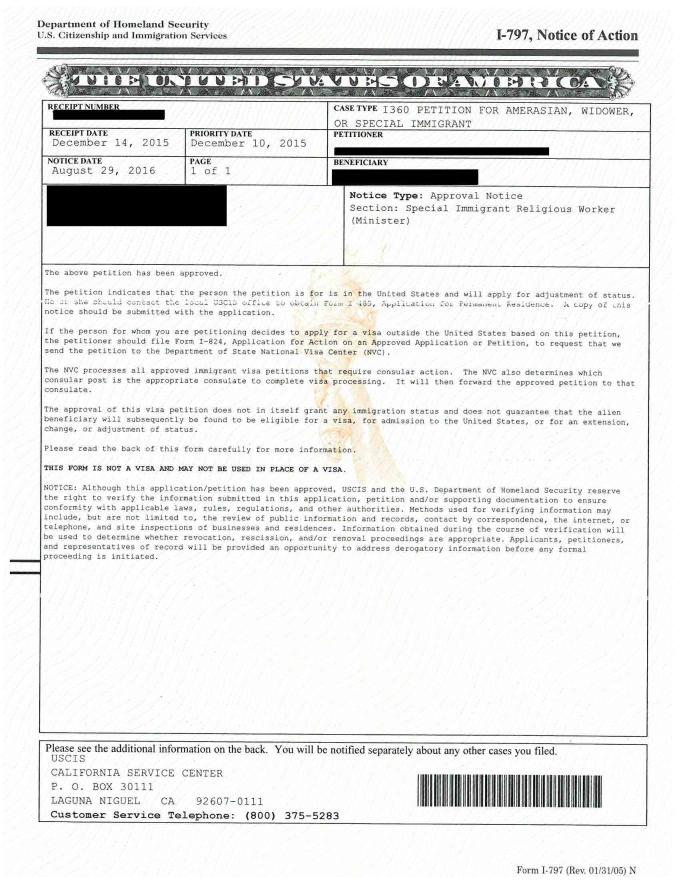
- How long does Form I-360 take in a VAWA case?
- Can VAWA lead to a green card?
- Can I file adjustment of status after VAWA?
- What documents are most important in a VAWA filing?
Common patterns in stronger VAWA cases
Stronger cases often involve:
- clear relationship evidence
- a detailed and credible personal declaration
- organized supporting evidence
- a filing theory that clearly fits the right VAWA category
- a case structure that is ready for both the self-petition stage and the later green card stage