EB5 Green Card — Immigrant Investor Visa Through Regional Center or Direct Investment

EB5 Green Card — Immigrant Investor Visa Through Regional Center or Direct Investment

EB5 Green Card — Immigrant Investor Visa Through Regional Center or Direct Investment

People often search for this issue as EB5 green card, EB-5 investor visa, EB5 visa, immigrant investor green card, investment green card, green card by investment, EB5 requirements, EB5 regional center, direct EB5, or source of funds EB5. The EB5 green card is an employment-based immigrant investor category for individuals who make a qualifying investment in a new commercial enterprise and meet the program’s job creation and other legal requirements. A strong EB5 case usually depends on the investment structure, the project type, the source of funds, the job creation strategy, and whether the case is being filed through a regional center or direct investment.

Current EB5 cases often focus on regional center projects, direct investment cases, rural or high-unemployment targeted employment area issues, and the current investment thresholds of $800,000 or $1,050,000 depending on the facts of the case.

This page focuses on the current EB5 immigrant investor process, including investment amount, regional center and direct investment strategy, source of funds, job creation, and investor green card planning.

EB5 Investment Immigration Green Card Details

The EB5 category requires an investment of $800,000 to $1,050,000 in a new commercial enterprise (buying an existing business or expanding an existing business is permissible in some instances) that will result in a benefit for the US economy and produce ten full time jobs for workers not related to the EB5 petitioner. There are 10,000 EB5 green cards available annually. Once the EB5 petition is approved, the investor becomes a conditional resident for two years and once the conditions are removed, a permanent resident.

For Whom Is an EB5 Investment Immigration Appropriate?

Foreign entrepreneurs who invest between $800,000 and $1,050,000 in a commercial enterprise that will benefit the US economy and create at least 10 full-time.

EB5 Investment Immigration Requirements

10,000 immigrant visas per year are available to qualified individuals seeking permanent resident status on the basis of their engagement in a new commercial enterprise.

Of the 10,000 investor visas (i.e., EB5 visas) available annually, 5,000 are set aside for those who apply under a pilot program involving an CIS-designated Regional Center.

Permanent resident status based on EB5 eligibility is available to investors, either alone or coming with their spouse and unmarried children. Eligible aliens are those who have invested — or are actively in the process of investing — the required amount of capital into a new commercial enterprise that they have established. They must further demonstrate that this investment will benefit the United States economy and create the requisite number of full-time jobs for qualified persons within the United States.

EB5 requirements

To qualify for an EB5 green card, the investor must make a qualifying investment in a new commercial enterprise, place the required capital at risk, show a lawful source of funds, and meet the job creation rules that apply to the case. A strong EB5 filing usually depends on the investment amount, the project structure, the source of funds record, and the way the case is built from the initial filing through the later removal of conditions.

Current EB5 investment amounts

Current EB5 cases usually involve an investment of $800,000 or $1,050,000 depending on the type and location of the project. The page should use current investment language throughout and should not use the old $500,000 to $1,000,000 wording.

New commercial enterprise

A strong filing should clearly explain the new commercial enterprise receiving the investment. The petition should describe the business or project structure clearly and should show how the investment fits the EB5 framework.

Capital at risk

The investment should be structured in a way that satisfies the EB5 at-risk requirement. The filing should explain the investment terms clearly and show how the capital is committed under the rules of the program.

Lawful source of funds

One of the most important parts of an EB5 case is the lawful source of funds record. A strong filing should clearly explain where the investment funds came from and should document the movement of funds in a way that is easy to follow.

Job creation

A strong EB5 case must address job creation carefully. The filing should explain how the project or business will create the required jobs and how that job creation will be documented later in the case. The case should make clear how the investment is tied to the required employment creation.

Regional center EB5

Many current EB5 cases are filed through regional center projects. In these cases, the filing should explain the project structure, the regional center framework, and the job creation methodology clearly.

Direct EB5

Some investors use direct EB5 rather than a regional center project. A strong direct EB5 filing should clearly explain the business structure, the investor’s role, and the direct job creation plan.

Targeted employment area, rural, and high-unemployment issues

Many users search for rural EB5, targeted employment area cases, and high-unemployment projects. A strong filing should explain whether the case is based on a targeted employment area, a rural project, a high-unemployment project, or another qualifying structure tied to the current investment amount.

I-526E and I-829 process

A strong EB5 page should explain that the investor case is not just about the first filing. Current EB5 users also search for I-526E, conditional residence, and I-829 removal of conditions, so the page should speak to the full process and not only the initial investment.

Common evidence in stronger EB5 cases

Strong filings often include:

  • investment records
  • source of funds documentation
  • bank transfer records
  • business or project documents
  • offering materials where relevant
  • job creation evidence
  • enterprise records
  • project structure documents
  • filings tied to the investor’s immigration process

Regional center EB5, direct EB5, source of funds, and job creation

Many of the biggest EB5 questions are about how the investment is structured in practice. A strong EB5 case does not depend only on having the required investment amount. It also depends on whether the case is being filed through a regional center or direct investment, how the source of funds is documented, how the capital is placed at risk, and how the required job creation will be shown.

Regional center EB5

Many EB5 investors use the regional center model. A strong filing should clearly explain the project structure, the enterprise involved, the investment path, and the job creation method being used. The page should make it easy for users to understand how a regional center case is different from a direct investment case.

Direct EB5

Some investors prefer direct EB5. A strong direct case should clearly explain the business structure, the investor’s role, the operating plan, and how the required jobs will be created directly through the enterprise.

Source of funds is one of the most important parts of the case

A strong EB5 filing should clearly explain where the investment funds came from and how they moved from the original lawful source to the final investment. The record should be organized so the source and path of funds are easy to follow.

Lawful path of funds should be documented clearly

The filing should not just identify the source of the money. It should also explain the transfer path, including accounts, transfers, ownership, and supporting financial records. A clear path-of-funds presentation can make the case easier to understand.

Capital at risk should be explained carefully

A strong EB5 case should clearly explain how the investment is committed and why it qualifies under the at-risk standard. The filing should avoid vague or incomplete explanations of the investment terms.

Job creation should be tied to the actual structure of the case

A strong filing should explain how the required jobs will be created based on the type of investment being used. The page should make it easy to understand how job creation works in the selected project structure and how that issue will matter later in the process.

Rural, targeted employment area, and high-unemployment projects

Many investors search for rural EB5, targeted employment area projects, and high-unemployment projects. A strong filing should clearly explain how the project fits the applicable structure and why the investment amount matches the type of case being filed.

Reserved visa categories and project strategy

Many investors want to understand whether the project falls into a reserved or priority category. The page should explain these issues clearly because project type and location can affect strategy, timing, and investor interest.

The case should be built for the full process, not just the first filing

A strong EB5 case should not treat the initial petition as the only goal. The filing should be organized with the later stages in mind, including conditional residence, job creation evidence, and removal of conditions.

Common investor-side questions in EB5 cases

Common questions include:

  • What is the difference between regional center EB5 and direct EB5?
  • How do I prove source of funds for EB5?
  • What is a lawful source of funds?
  • How does job creation work in EB5?
  • What is a targeted employment area for EB5?
  • What is a rural EB5 project?
  • How do I choose between regional center and direct EB5?

Common documents in stronger EB5 cases

Strong filings often include:

  • source of funds records
  • path of funds documentation
  • bank records
  • tax documents where relevant
  • investment agreements
  • enterprise and project documents
  • offering materials where relevant
  • job creation materials
  • records tied to the investor’s immigration process

How strong should an EB5 case be?

One of the most common EB5 questions is whether the case is strong enough to file. Many investors want to know whether the investment structure is clean enough, whether the source of funds is documented well enough, whether the project type is the right fit, and whether the case is prepared for the full immigration process. A strong EB5 filing depends on the full record, not just the investment amount.

The investment amount should match the project type

A strong filing should clearly explain why the case uses the applicable investment amount and how that amount fits the project structure. The page should use current EB5 investment language throughout and should avoid any outdated investment figures.

Source of funds should be organized and easy to follow

A strong EB5 case should make it easy to understand where the money came from and how it moved into the investment. The filing should not leave gaps in the source-of-funds or path-of-funds record.

The project structure should be explained clearly

A strong case should make it easy to understand whether the investor is using a regional center project or a direct investment model. The filing should explain the enterprise, the project, the investment path, and the expected immigration structure clearly.

Job creation should not be treated as an afterthought

A strong EB5 filing should explain how the required jobs will be created and how that issue fits the investment model being used. The case should be structured with later job creation review in mind, not just the initial filing.

The case should be built for the full process

A strong EB5 filing should not focus only on the first petition. The case should be built with the later conditional-residence stage and the removal-of-conditions stage in mind, especially where source of funds, capital deployment, and job creation will remain important.

Timing and processing concerns are common

Many investors search for EB5 processing time, I-526E timing, and general investor green card timing. The page should address these concerns because timing is one of the biggest practical issues in EB5 planning.

Stronger EB5 cases usually show a clear investor-side story

A strong filing usually makes it easy to understand:

  • who the investor is
  • where the funds came from
  • how the funds moved
  • what the project or enterprise is
  • how the investment is structured
  • how the required jobs are expected to be created
  • how the case fits the overall EB5 immigration process
Common strength and timing questions

Common questions include:

  • Is my EB5 case strong enough?
  • Is my source of funds record clear enough?
  • What makes an EB5 case weak?
  • How long does the EB5 process take?

  • How long does I-526E take?
  • Does project type affect EB5 timing?
  • Is regional center EB5 stronger than direct EB5?
  • How important is job creation in the early filing stage?

Common patterns in stronger EB5 cases

Stronger EB5 cases often involve:

  • current and correct investment amounts
  • a clear source-of-funds record
  • a well-documented path of funds
  • a project structure that is easy to understand
  • a job creation plan that matches the investment model
  • a filing strategy built for the full EB5 process, not just the opening petition

Frequently asked questions about the EB5 green card

What is the EB5 green card?

The EB5 green card is an employment-based immigrant investor category for people who make a qualifying investment in a new commercial enterprise and meet the job creation and other legal requirements.

What is the EB-5 investor visa?

The EB-5 investor visa is the immigrant investor path that can lead to permanent residence through a qualifying investment and job creation structure.

How much is the EB5 investment?

Current EB5 cases usually involve an investment of $800,000 or $1,050,000 depending on the type and location of the project.

What is a targeted employment area in EB5?

A targeted employment area is a project area that may fit the lower investment threshold when it meets the applicable rules. Many investors search for targeted employment area cases because project location can affect investment strategy.

What is a rural EB5 project?

A rural EB5 project is an EB5 investment structured around a qualifying rural area under the current program framework.

What is the difference between regional center EB5 and direct EB5?

Regional center EB5 and direct EB5 are different investment structures. A regional center case is built around the regional center model and related job creation framework, while direct EB5 is built around the investor’s direct investment in the business and the direct creation of jobs.

What is a new commercial enterprise in EB5?

A new commercial enterprise is the business or enterprise receiving the qualifying EB5 investment.

What does capital at risk mean in EB5?

Capital at risk means the investment must be structured in a way that meets the EB5 standard for investment risk and commitment.

What is source of funds in an EB5 case?

Source of funds refers to the lawful origin of the money being invested. A strong filing should clearly explain where the funds came from and how they moved into the investment.

What is path of funds in an EB5 case?

Path of funds refers to the documented movement of the money from the lawful source to the final investment. A clear path-of-funds record is an important part of many EB5 filings.

How many jobs are required for EB5?

A strong EB5 case should address the required job creation clearly and explain how the project or business will satisfy that requirement under the applicable rules.

Why is job creation important in EB5?

Job creation is one of the core parts of the EB5 category. A strong filing should explain how the investment is tied to the required employment creation and how that issue will be supported later in the case.

What is I-526E?

I-526E is a key petition form used in current EB5 investor cases and is an important part of the filing structure for many investors.

What is I-829?

I-829 is the later filing used in the EB5 process when the investor seeks to remove conditions after conditional residence.
Does EB5 require employer sponsorship?

No. EB5 is an investor-based green card category rather than an employer-sponsored green card path.

Does EB5 require PERM labor certification?

No. EB5 does not use the PERM labor certification process.

Can family members get green cards through EB5?

Family members may also be part of the overall EB5 immigration strategy depending on the case structure and the qualifying relationship.

Is source of funds one of the most important parts of EB5?

Yes. Source of funds is often one of the most important parts of an EB5 case because the filing should clearly show that the invested capital comes from a lawful source.

Does the investment amount alone make an EB5 case strong?

No. A strong EB5 case depends on the full record, including source of funds, path of funds, project structure, job creation, and the overall filing strategy.

How long does the EB5 process take?

Timing can vary depending on the filing structure, government processing, project type, visa availability, and later immigration stages.

How long does I-526E take?

Timing can vary depending on current processing conditions and the structure of the case.

Does project type affect EB5 strategy?

Yes. Project type can affect investment amount, job creation strategy, timing, and the overall structure of the case.

Is regional center EB5 better than direct EB5?

They are different strategies, and the better fit depends on the investor’s goals, the project structure, the job creation plan, and the facts of the case.

What does an approved EB5 profile look like?

There is no single approved template. Strong EB5 cases usually have a clear investment structure, a well-documented source of funds record, a traceable path of funds, and a job creation strategy that fits the case.

How do I know if my EB5 case is strong enough?

The best way to evaluate EB5 strength is to look at the investment structure, the source and path of funds, the project type, the job creation plan, and how clearly the whole filing fits the current EB5 framework.

USCIS Memo Relating to EB5
DateTitleDetails
May 30, 2013EB-5 Adjudications PolicyThe purpose of this policy memorandum is to build upon prior policy guidance for adjudicating EB-5 applications and petitions.

Top Notch Immigration Services

You will receive top notch immigration services at The Messersmith Law Firm. We guarantee personalized legal services, a high rate of success, and very reasonable fees. At The Messersmith Law Firm, you will always get more than what you pay for. While the majority of our clients are referred to our law firm, we are open to take new cases if we feel we can help you achieve your goals. We have no doubt that you will refer everyone you know to us once your case is approved! Our goal is to get your case approved in the shortest amount of time possible yet strive to keep our fees reasonable!

Thousands of Approved Cases

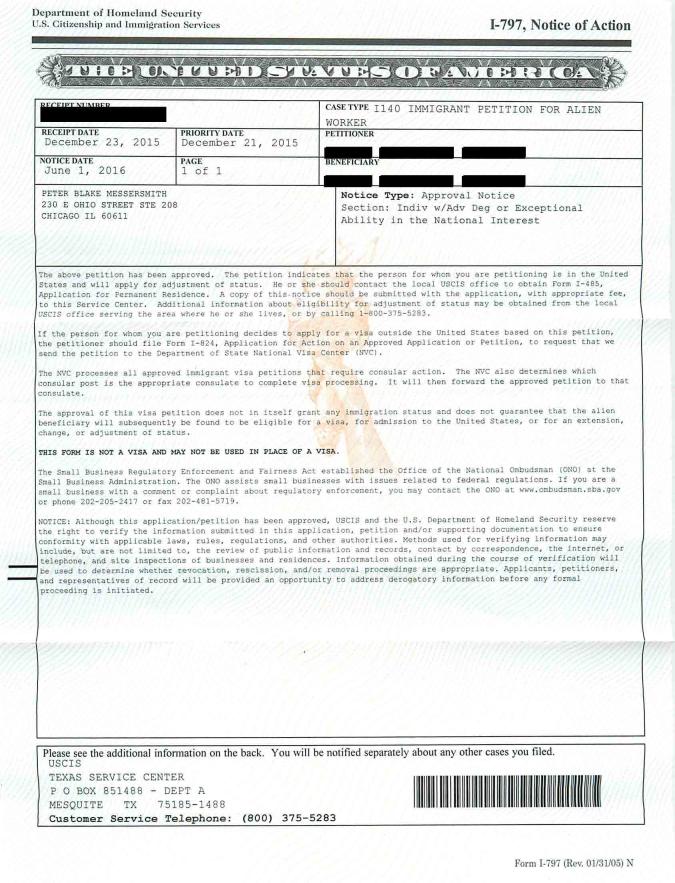
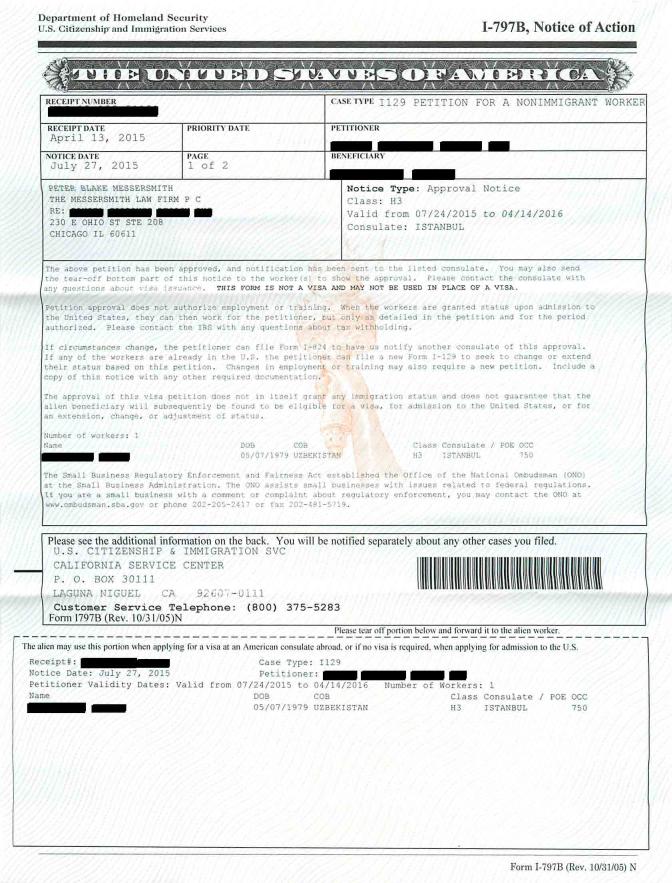
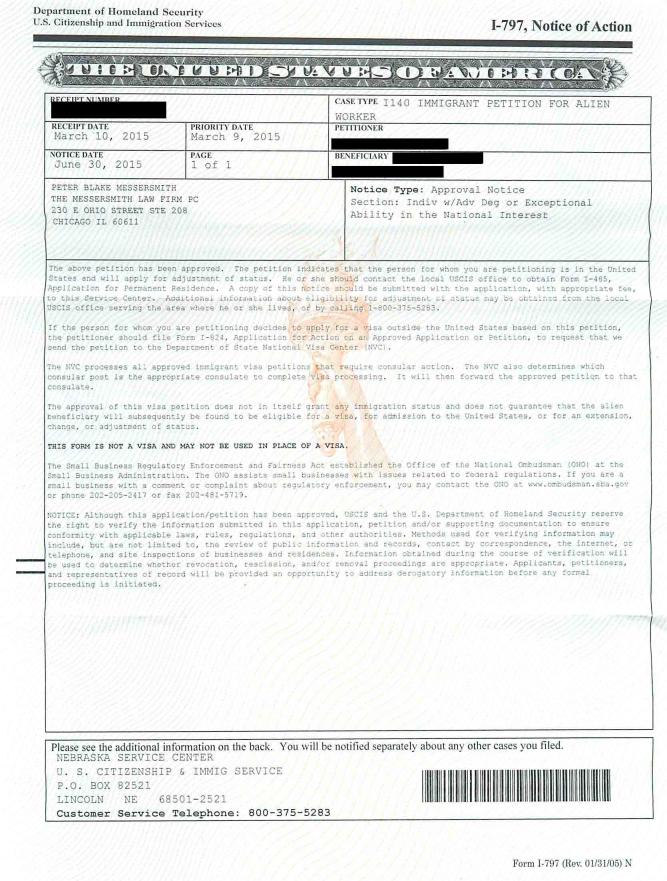
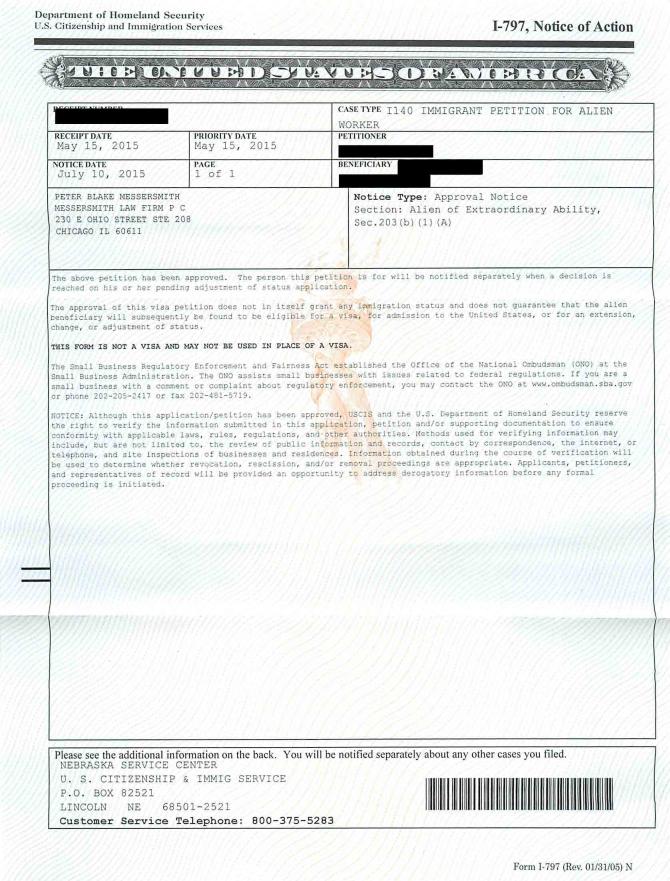
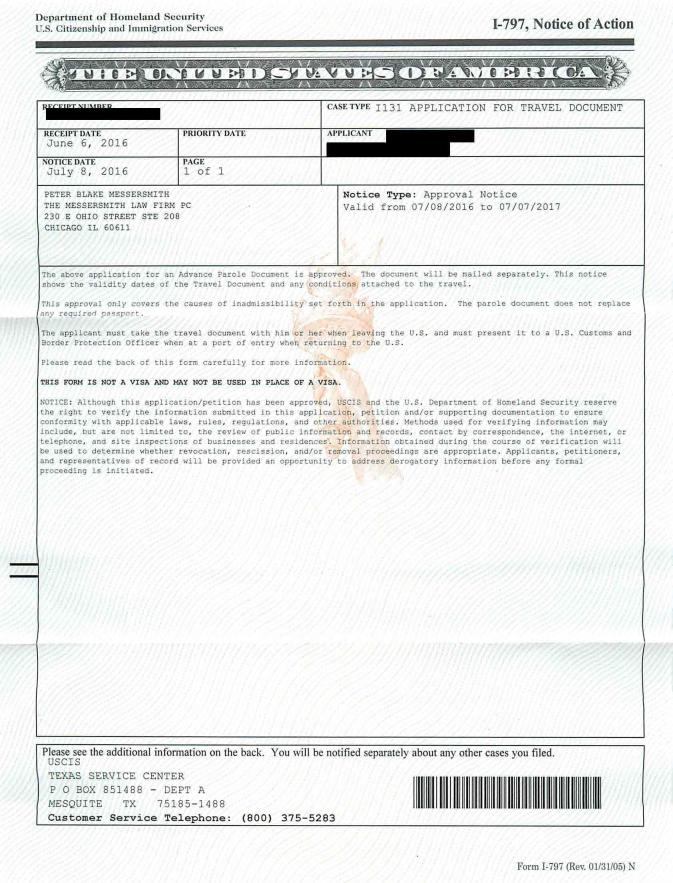
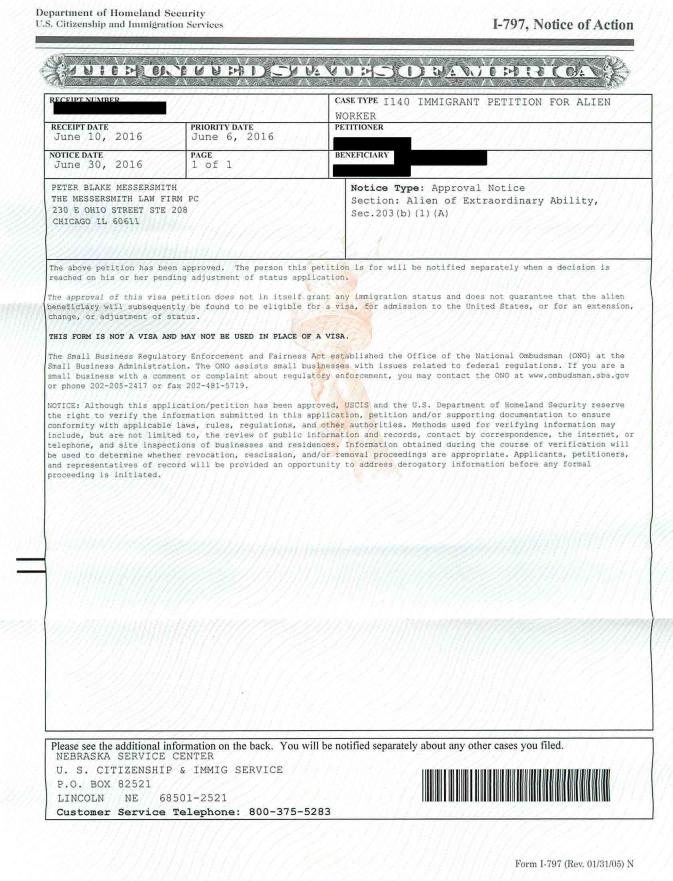
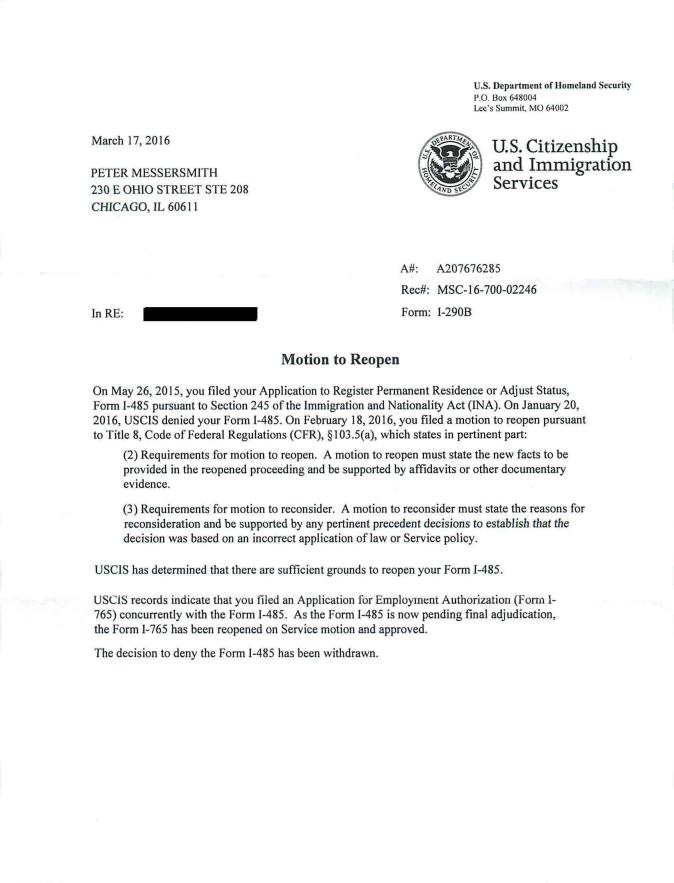
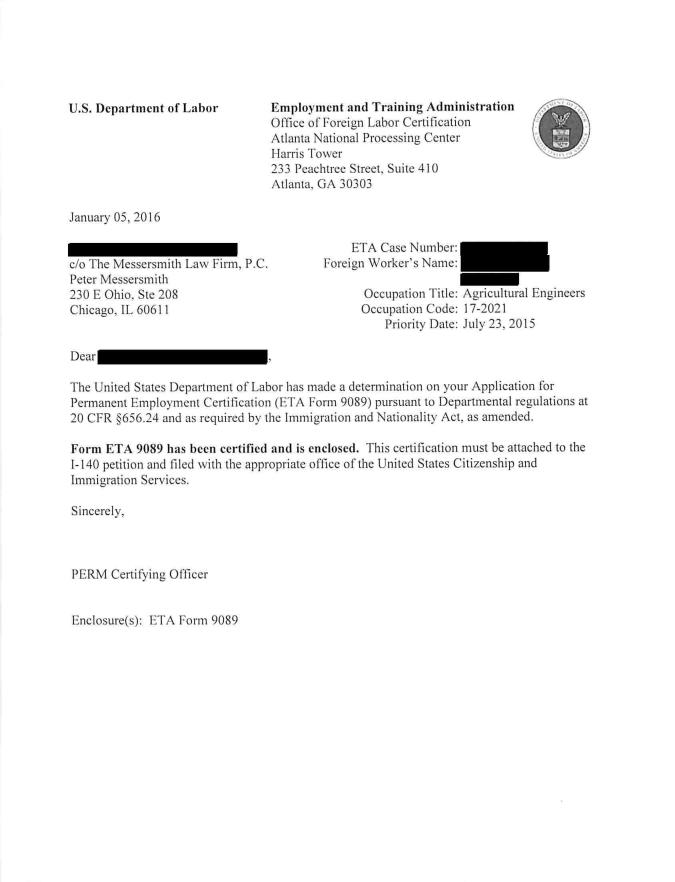
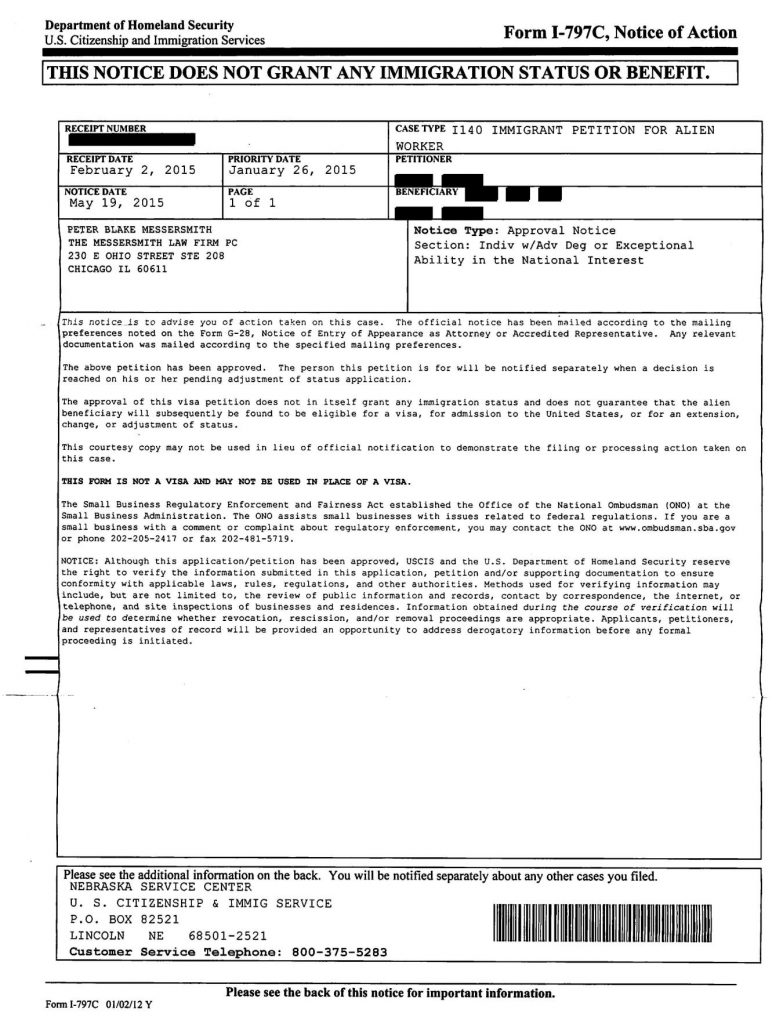
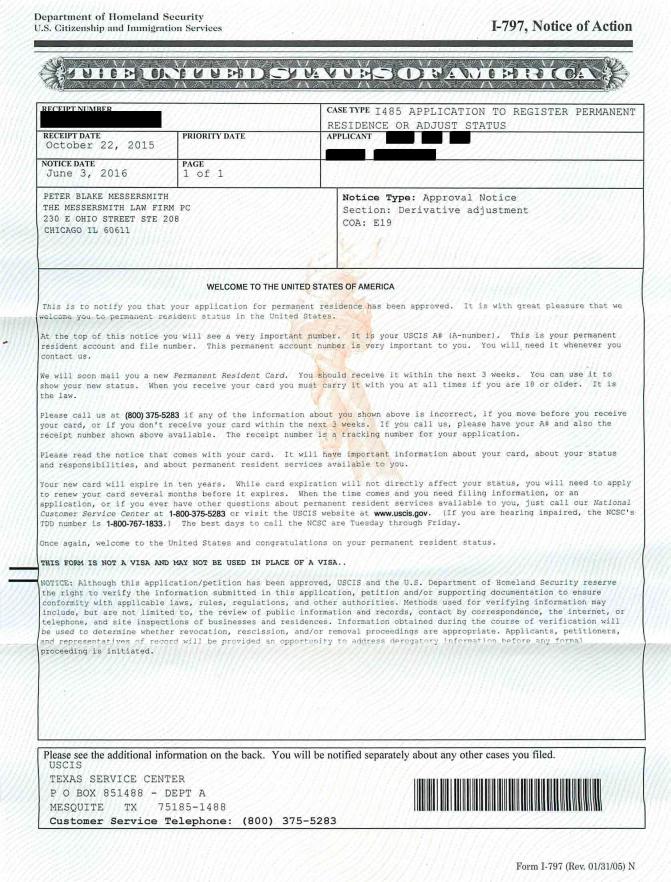
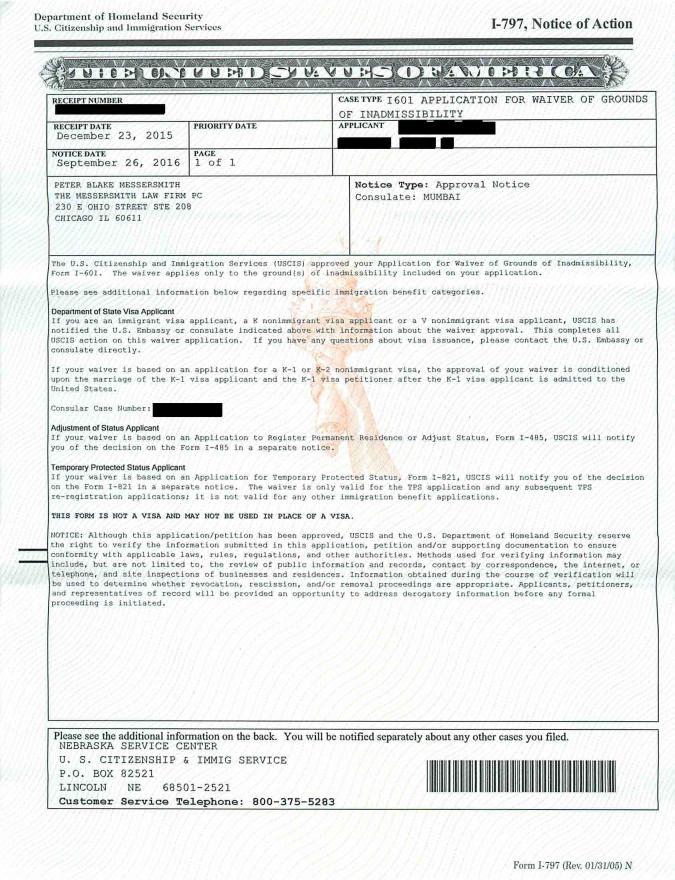
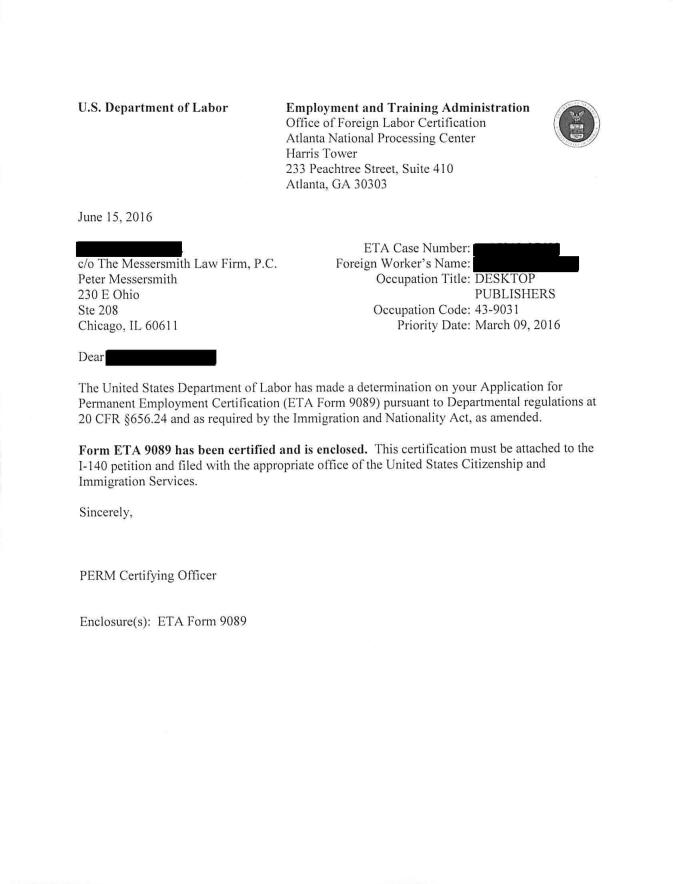
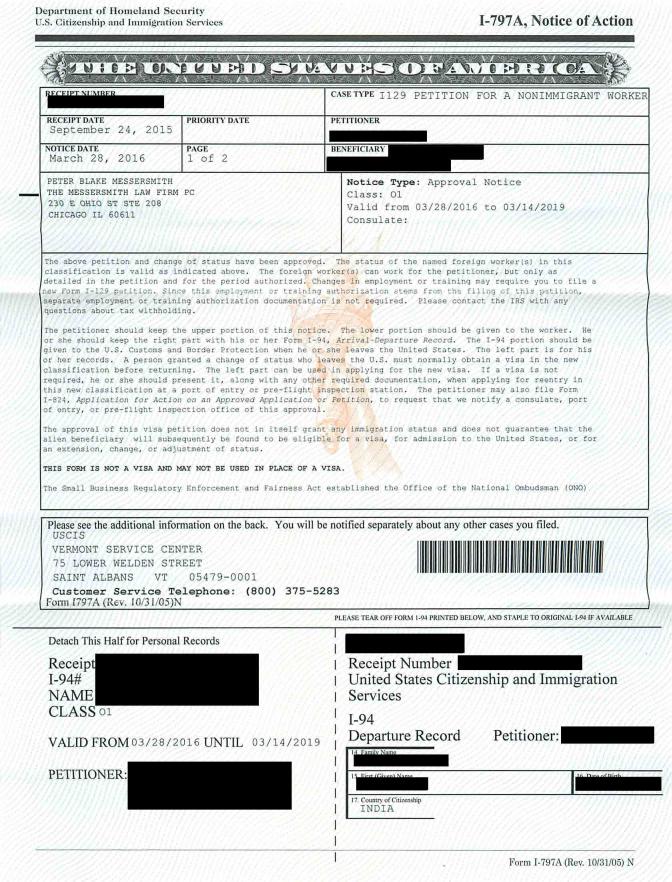
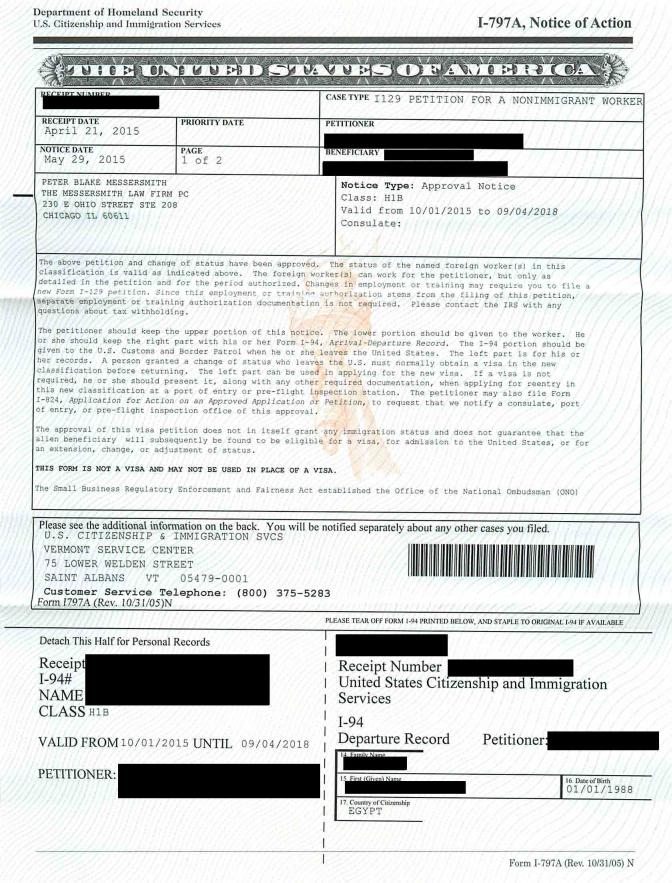
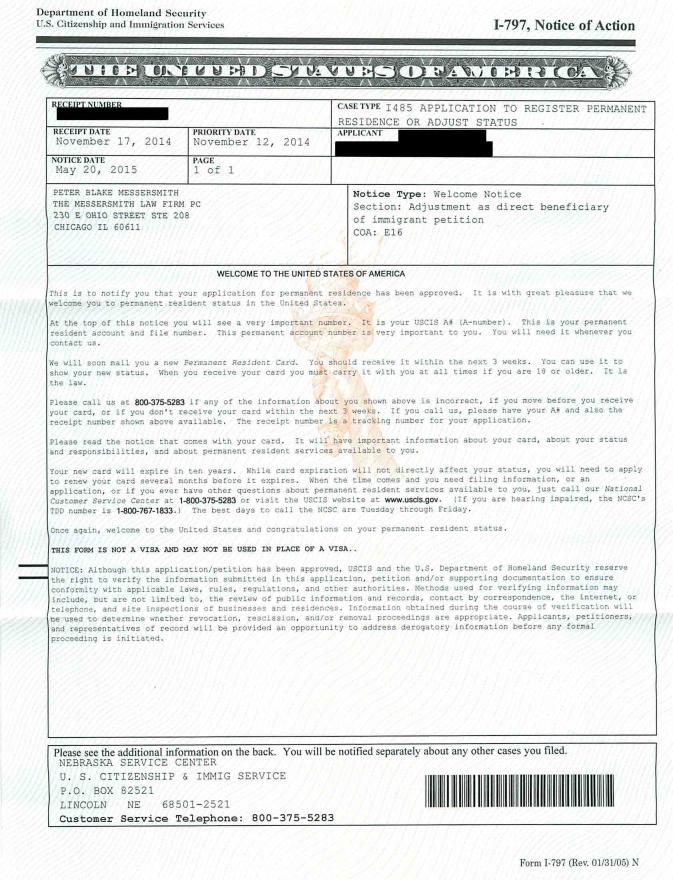
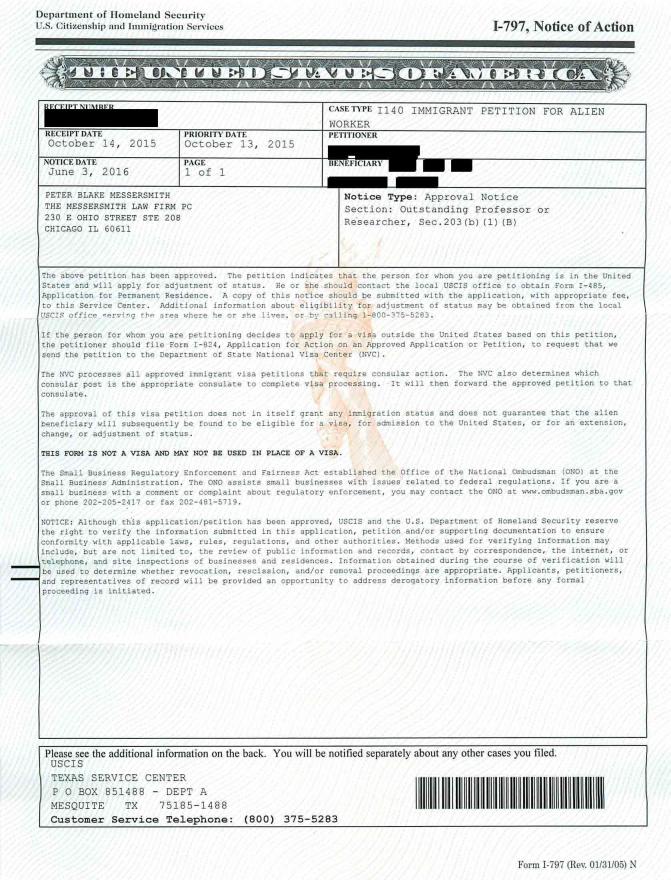
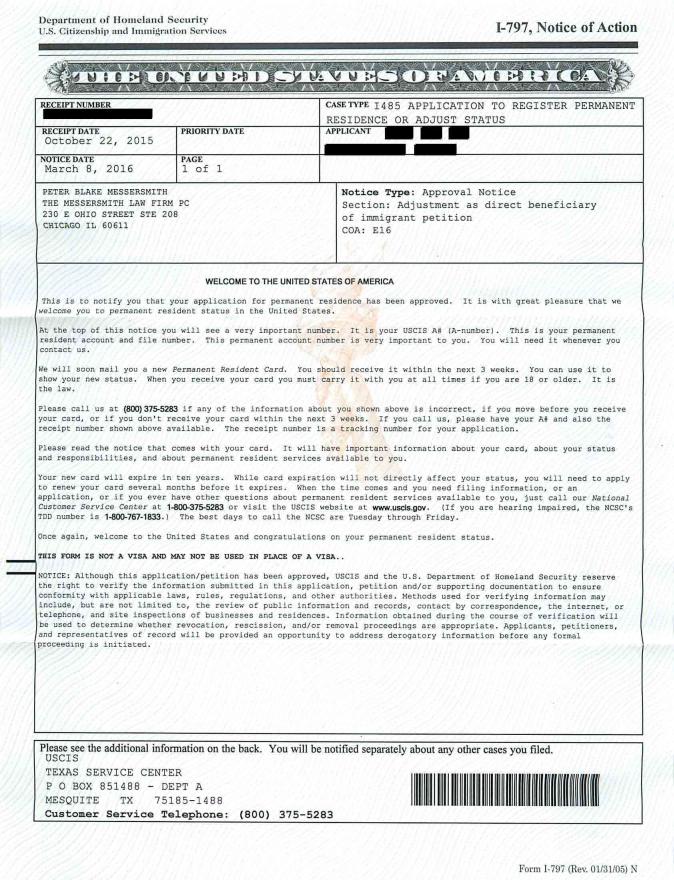
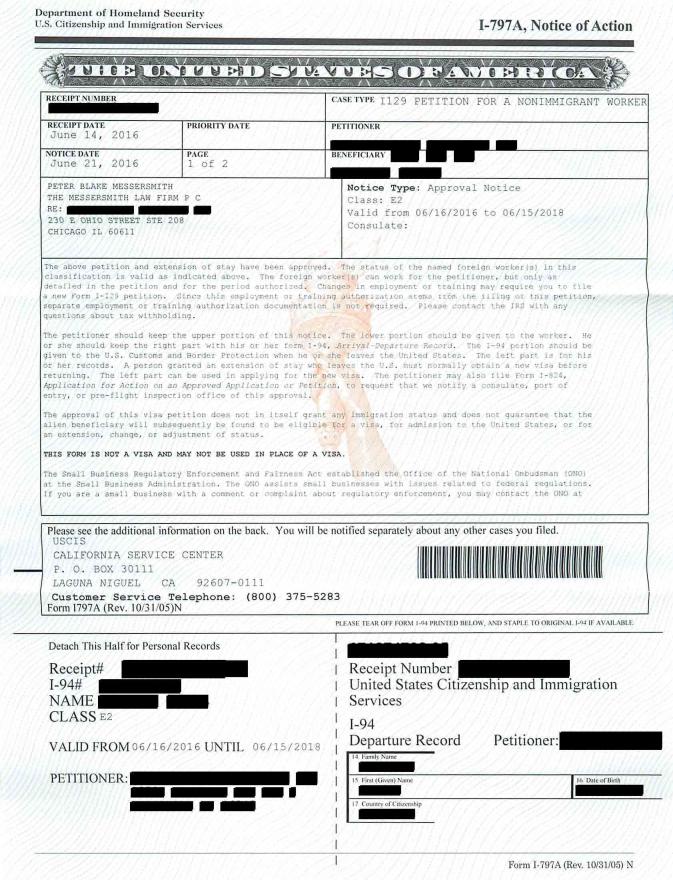
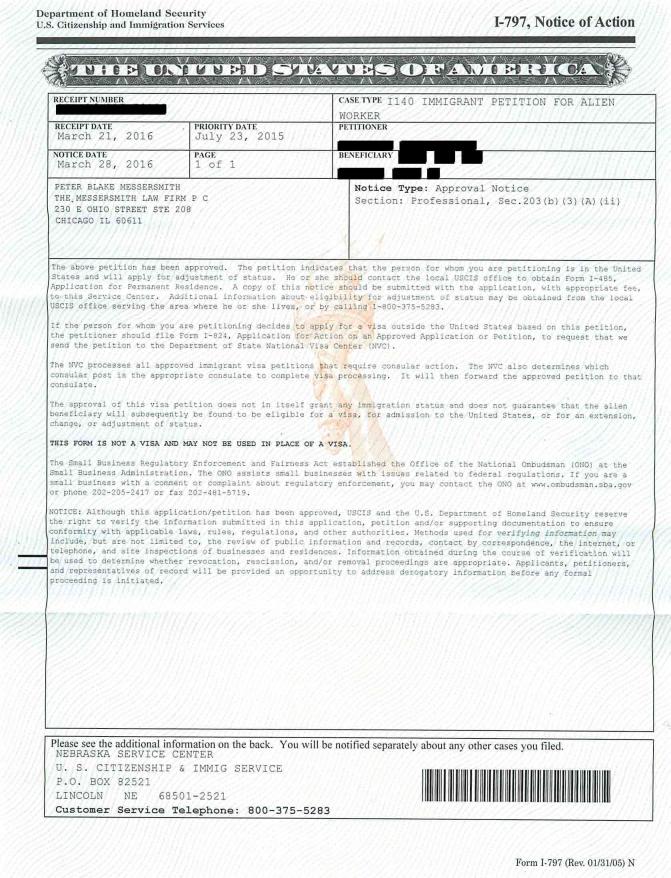
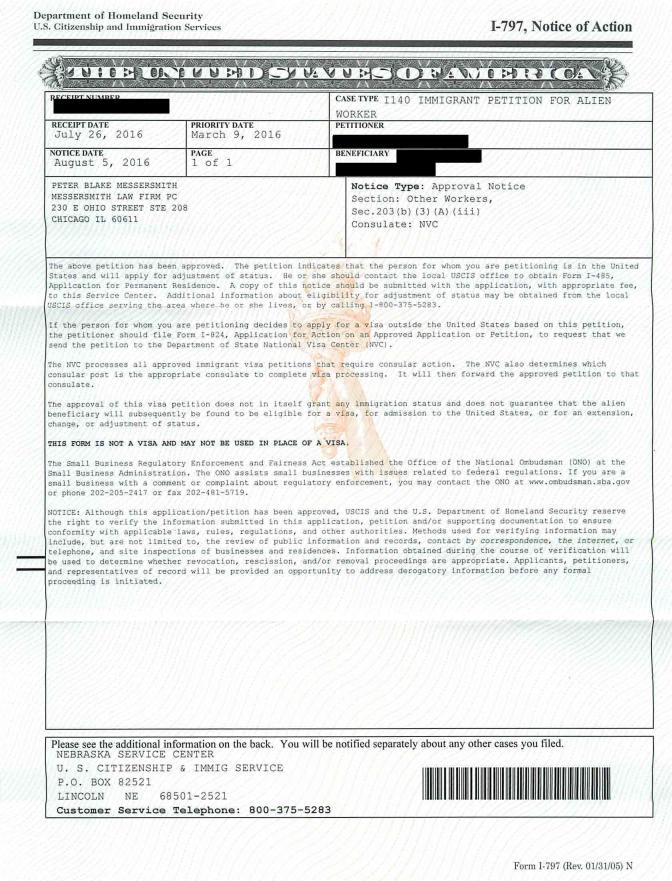
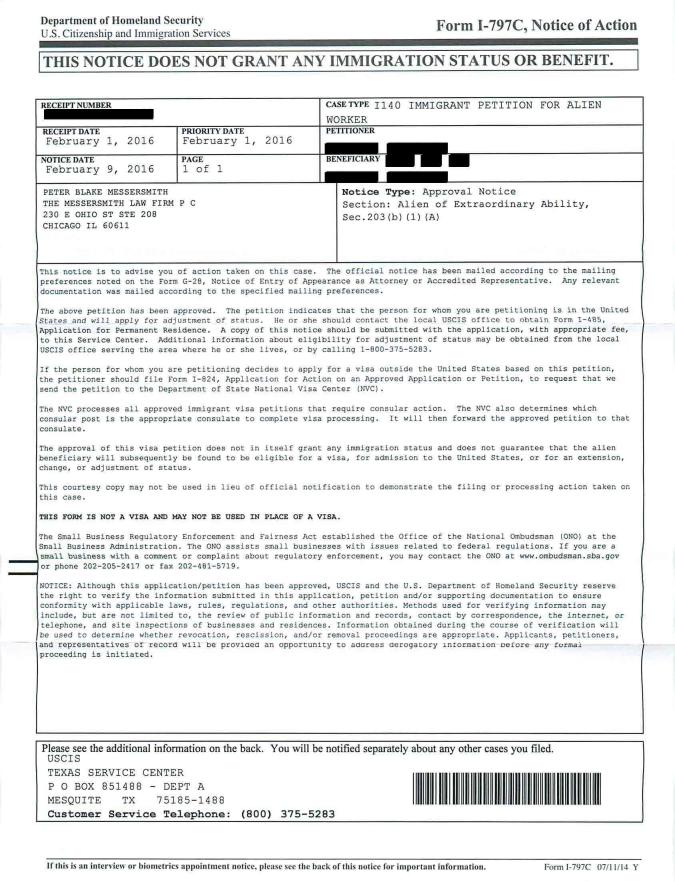
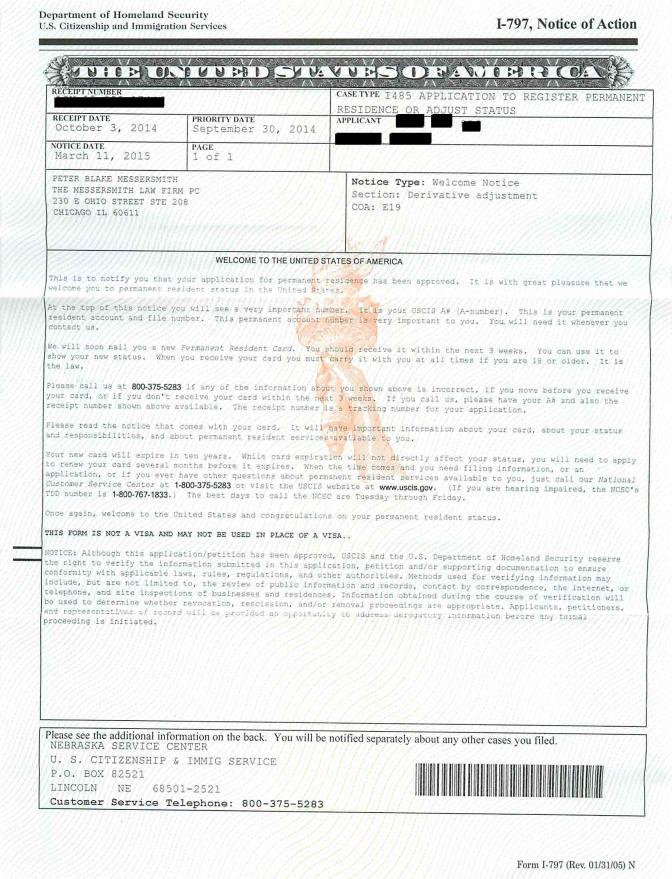
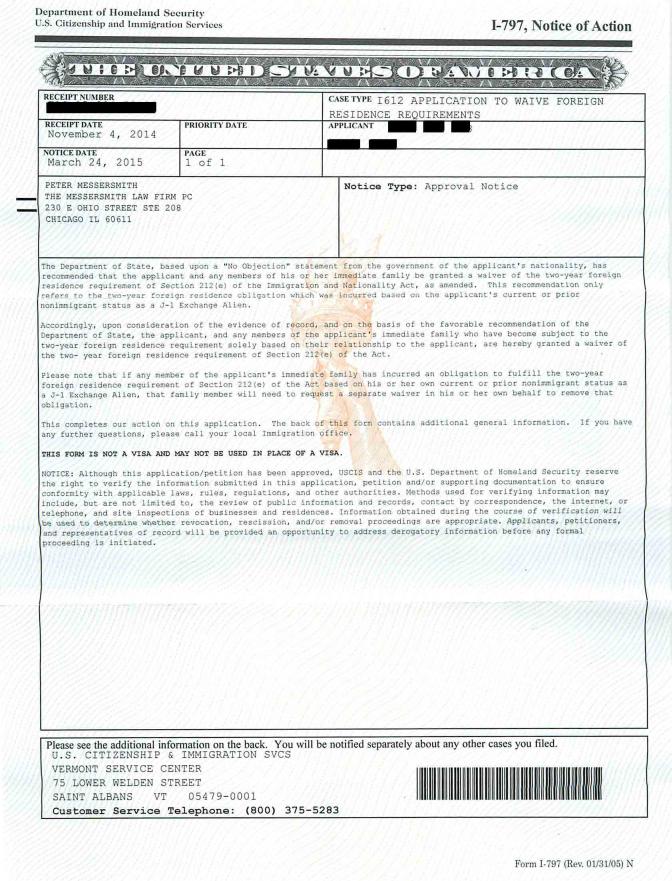
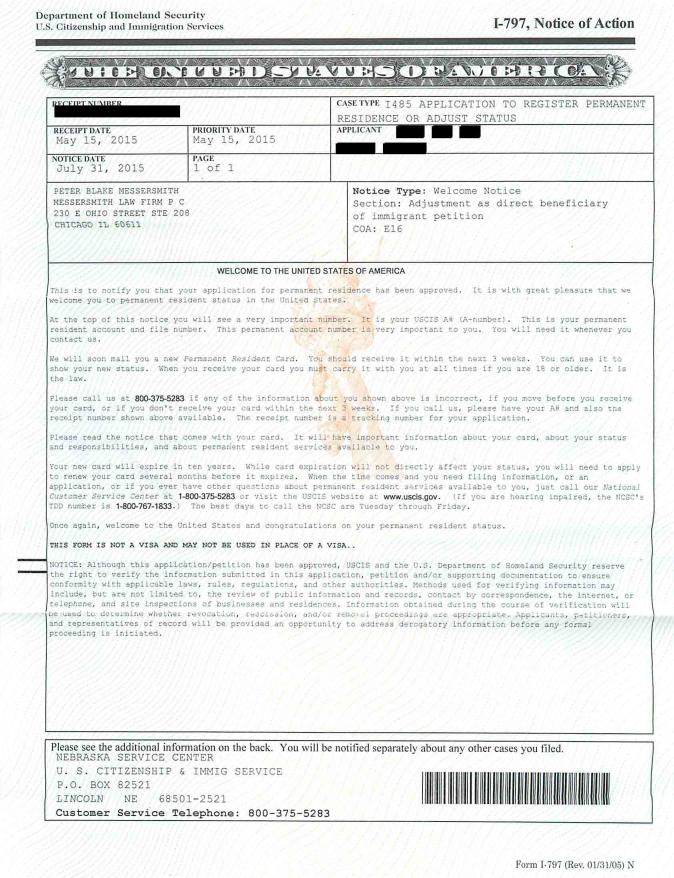
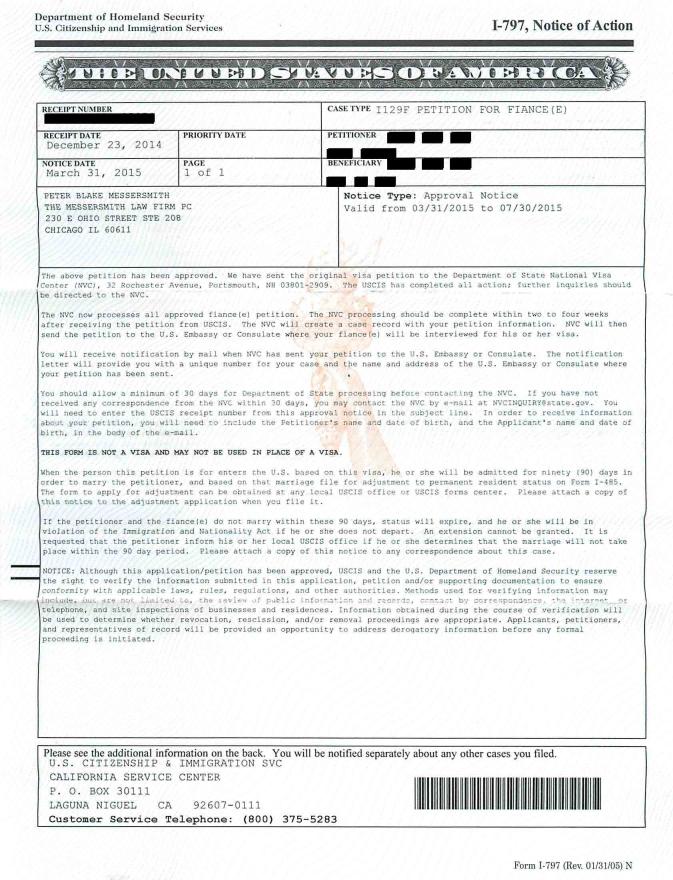
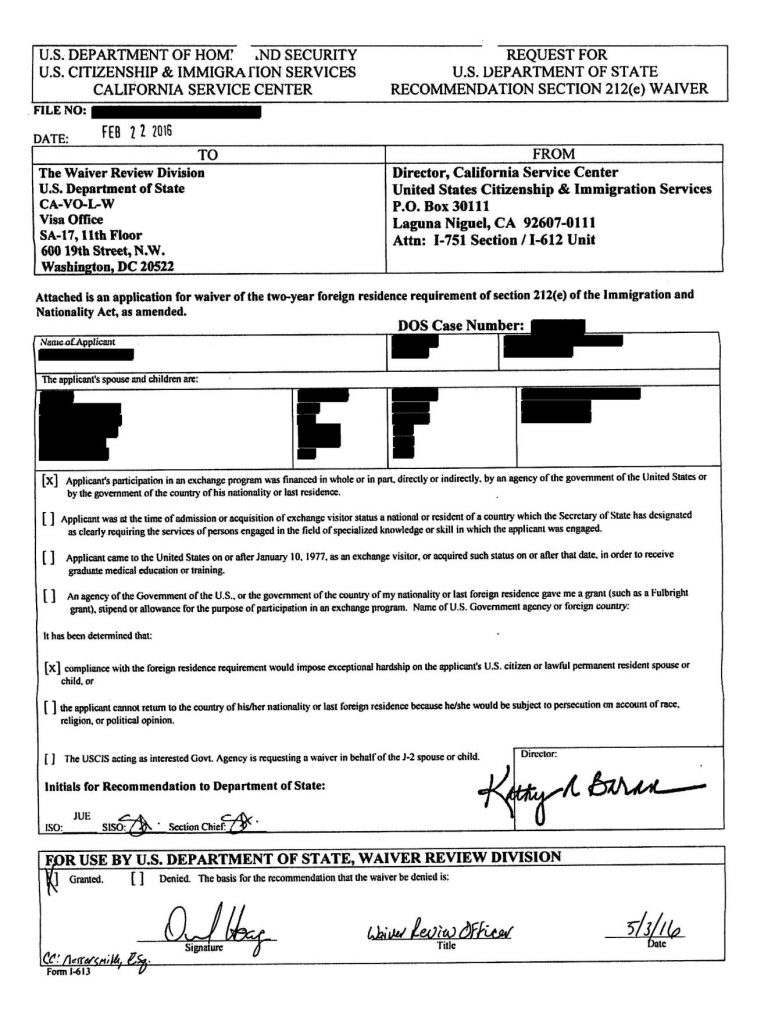
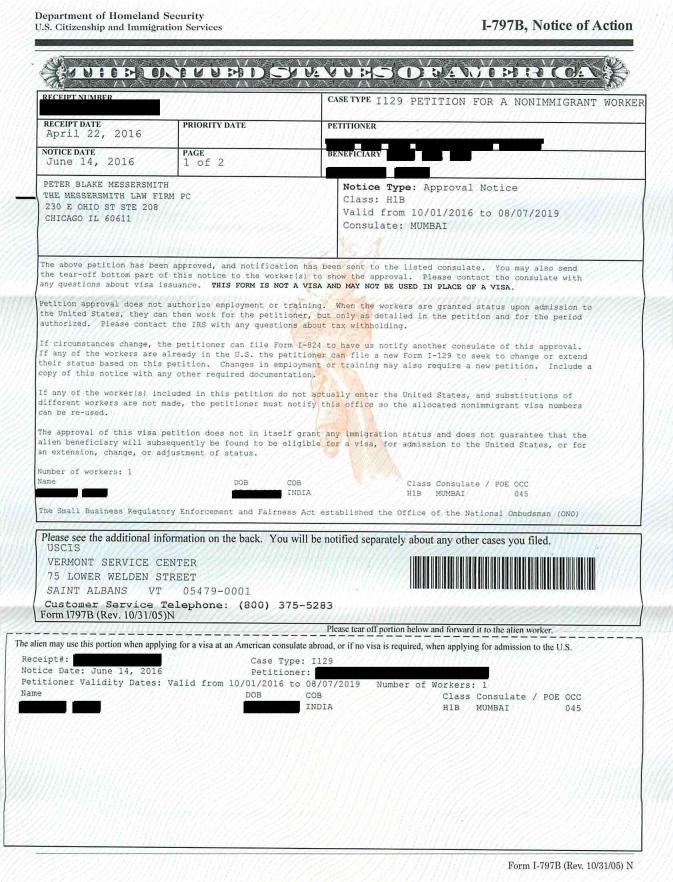
Scroll through fifty recent approval notices below or click here to view thousands.

Customer Testimonials

Real Testimonials from Past Clients