People often inquire about this issue as INA 212a6e, 212a6e, or Section 212a6e. These are shorthand references to INA § 212(a)(6)(E), the alien smuggling ground of inadmissibility, which can apply when the government believes a person knowingly helped someone else enter (or try to enter) the United States in violation of law.

INA 212a6e (INA 212(a)(6)(E)) — Alien Smuggling Inadmissibility
Smugglers
INA 212a6e (INA 212(a)(6)(E)) — Alien Smuggling Inadmissibility

What is INA 212a6e? (Plain English)
INA 212a6e (also written as INA § 212(a)(6)(E)) is the alien smuggling ground of inadmissibility. In plain English, it can apply if the government concludes that a person knowingly helped another foreign national enter the United States (or try to enter) unlawfully. The word “help” is interpreted broadly and can include encouragement, assistance, or aiding the attempt. The details matter: what the person did, what they knew, and how the conduct related to the entry or attempted entry.

What the government must prove under 212(a)(6)(E)
A Section 212a6e finding is generally based on these core elements:
- The person encouraged, induced, assisted, abetted, or aided
- Another foreign national
- To enter or try to enter the United States
- In violation of law
- Knowingly (meaning the person knew they were helping unlawful entry)
If the issue involves statements made in connection with someone else’s visa or entry, officers may analyze the facts under INA 212a6e rather than INA 212a6Ci.

Common examples of “212a6e” smuggling allegations
Here are common fact patterns that can trigger INA 212a6e / 212(a)(6)(E) concerns:
- Paying a smuggler or arranging payment for someone else’s unlawful border crossing
- Coordinating transportation to a border area for an unlawful entry plan
- Picking someone up immediately after an unlawful entry (especially when planned in advance)
- Providing detailed instructions or directions to help someone avoid inspection or cross unlawfully
- Providing housing, staging, or concealment as part of a plan to facilitate unlawful entry
- Using or providing false documents to help someone attempt entry
- Coaching someone on what to say to officers in order to get admitted despite unlawful intent
- Helping someone present a false purpose of travel tied to an attempted unlawful entry
- Assisting with logistics for a group crossing (messages, routes, meeting points, timing)
- Helping someone bypass inspection or avoid contact with officers during entry
- Making admissions to officers that suggest knowledge of an unlawful entry plan
- Any documented communications that show planning to help someone enter unlawfully
These examples are not legal conclusions by themselves; outcomes depend on facts, timing, and evidence.
How INA 212a6e findings happen (CBP vs consulate vs USCIS)
A 212a6e finding can arise in different settings:
- CBP (airport / border / port of entry): Allegations often come from inspection questioning, travel history, phone review, statements, and inconsistencies about who traveled with whom and why.
- US consulate (visa processing abroad): Findings often come from interview answers, prior immigration history, or information in government systems that suggests facilitation of unlawful entry.
- USCIS (benefits inside the US): Findings can arise during adjustment or other benefits if the record suggests prior conduct that facilitated another person’s unlawful entry.
Because the setting drives the process, the best response strategy depends on which agency made the finding and what record exists.
How to challenge a 212a6e finding
The most effective challenges are organized around: (1) what happened, (2) what was known, (3) what the evidence actually shows, and (4) whether the conduct legally fits INA 212a6e.
Challenge for CBP findings
Focus on what occurred during inspection, what was said, whether statements were misunderstood, and whether the alleged conduct actually relates to unlawful entry or attempted entry. Where appropriate, clarify timelines, communications, and the traveler’s knowledge and intent.
Challenge for consular findings (Department of State)
Focus on correcting the factual record and addressing the officer’s stated concerns with clear documentation, consistent testimony, and a clean timeline. If a finding is based on assumptions, the goal is to show what the evidence does and does not establish.
Challenge for USCIS findings
USCIS challenges often occur through case procedures (responses to RFE/NOID, motions, or related filings). The evidence should be structured to address knowledge, intent, and nexus to unlawful entry, and to rebut any inaccurate factual assumptions.
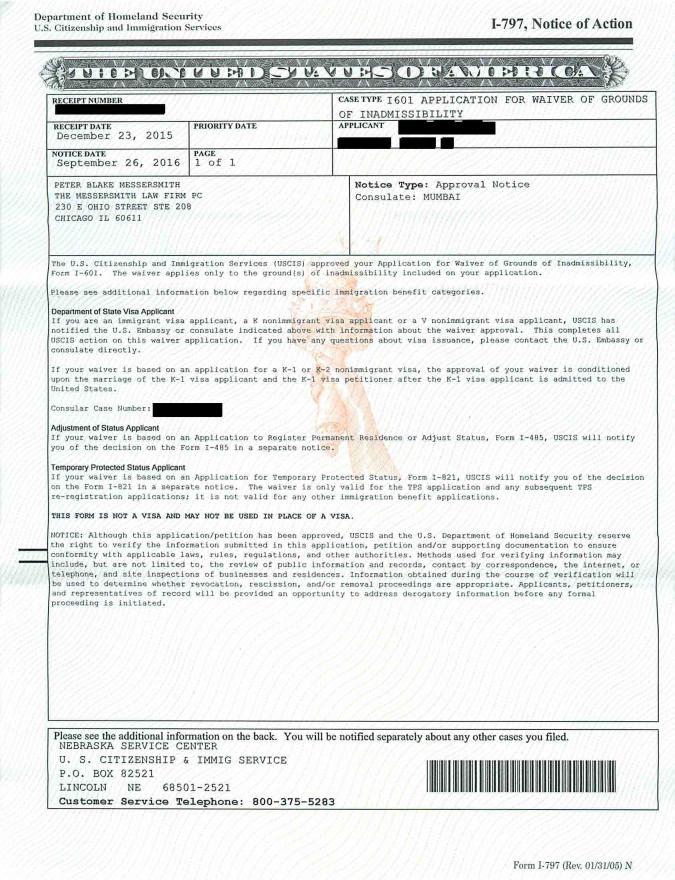
212a6e waivers and remedies (including 212(d)(11)) Immigrant waiver: INA 212(d)(11) (family-based smuggling waiver)
For certain family-based cases, INA 212(d)(11) may allow a discretionary waiver of INA 212(a)(6)(E)(i) for humanitarian purposes, to assure family unity, or when it is otherwise in the public interest. In general, the waiver is limited to cases where the person helped only a spouse, parent, son, or daughter (and no one else) enter unlawfully, and the applicant fits the eligible admission/adjustment categories for the waiver.
What evidence helps for a 212(d)(11) waiver
- Proof the person helped only a qualifying family member (spouse/parent/son/daughter) and no one else
- A clear timeline showing the circumstances and why it happened
- Evidence supporting humanitarian factors and/or strong family unity equities
- Evidence of rehabilitation, responsibility, and low risk of recurrence (where relevant)
- Positive discretionary factors (long-term ties, stable work, community, hardship)
Special statutory limitation noted in the statute
There is a narrow statutory carve out for certain older situations involving immediate relatives and presence in the United States on May 5, 1988. (This does not apply to most modern cases, but it’s part of the statutory text.)
Nonimmigrant waiver (temporary visa context)
Depending on the case posture and the visa sought, some applicants may pursue a discretionary nonimmigrant waiver strategy. This is highly fact specific and depends on admissibility posture, purpose of travel, and risk assessment.
Frequently asked questions about INA 212a6e (212(a)(6)(E)) alien smuggling
What is INA 212a6e?
INA 212a6e (INA 212(a)(6)(E)) is the alien smuggling ground of inadmissibility. It can apply if the government concludes a person knowingly encouraged, induced, assisted, abetted, or aided another foreign national to enter (or try to enter) the United States in violation of law.
Does INA 212(a)(6)(E) require a criminal conviction?
Not necessarily. A finding can be based on admissions, records, communications, travel history, and officer conclusions at CBP, a consulate, or USCIS, depending on the evidence in the file.
What does “knowingly” mean under Section 212a6e?
“Knowingly” generally means the person understood they were helping an unlawful entry or attempted unlawful entry. Many cases turn on what the person knew at the time and whether the conduct actually had a nexus to the entry or attempted entry.
What are common examples of alien smuggling allegations?
Common allegations include arranging or paying for a border crossing, coordinating transportation to support an unlawful entry plan, providing instructions to avoid inspection, picking someone up immediately after an unlawful entry as part of a plan, or using/providing false documents tied to attempted entry.
What’s the difference between 212a6e (smuggling) and 212a6Ci (misrepresentation)?
212a6e focuses on knowingly helping someone else enter (or try to enter) the U.S. unlawfully. 212a6Ci focuses on fraud or willful misrepresentation of a material fact to obtain a visa, admission, or another immigration benefit. Sometimes the same facts can be analyzed under either ground depending on what conduct is alleged.
Is there a waiver for INA 212a6e?
In some family-based cases, a discretionary immigrant waiver may be available under INA 212(d)(11), but it is limited and fact-specific. The waiver is generally tied to helping only a qualifying family member (spouse, parent, son, or daughter) and typically requires strong equities and a clear record.
What evidence helps in a 212(d)(11) waiver case?
Helpful evidence often includes proof the person helped only a qualifying relative and no one else, a clear timeline, humanitarian and family-unity equities, hardship context, and strong discretionary factors such as long-term ties, stable work, and rehabilitation where relevant.
How do INA 212a6e findings happen (CBP vs consulate vs USCIS)?
CBP findings often arise from inspection questioning and records at the airport/border. Consular findings often arise from interview answers and information in government systems. USCIS findings may arise during an adjustment/benefits filing when the record suggests conduct tied to another person’s unlawful entry.
News Related to INA § 212(a)(6)(E)
| Date | Title | Details | ||
|---|---|---|---|---|
| May 31, 2024 | Department of State's Foreign Affairs Manual (FAM) | The Department of State's FAM offers guidance to consular officers on determining visa ineligibilities due to engaging in alien smuggling. | ||
| February 1, 2023 | USCIS Policy Manual | U.S. Citizenship and Immigration Services (USCIS) updated its Policy Manual to provide detailed guidance on individuals who have engaged in alien smuggling. |